Press Release · NASA
Curiosity Blog, Sols 5063-5069 Rocks and Chips
Distributed by StarFort Tech · Originally issued via NASA
- Curiosity Home
- Science
- News and Features
- Multimedia
- Mars Missions
- Mars Home
2 min read
Curiosity Blog, Sols 5063-5069 Rocks and ChipsWritten by William Farrand, Senior Research Scientist, Space Science Institute
Earth planning date: Friday, Nov. 6, 2026
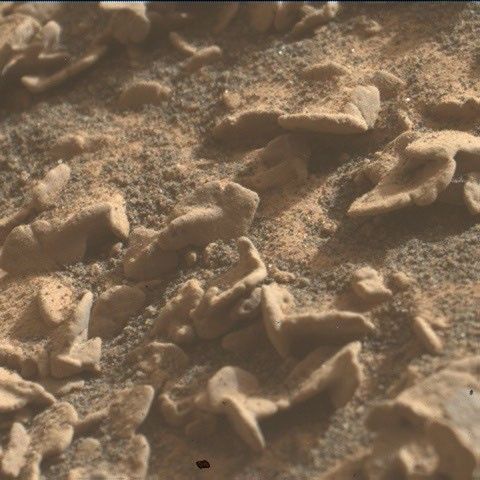
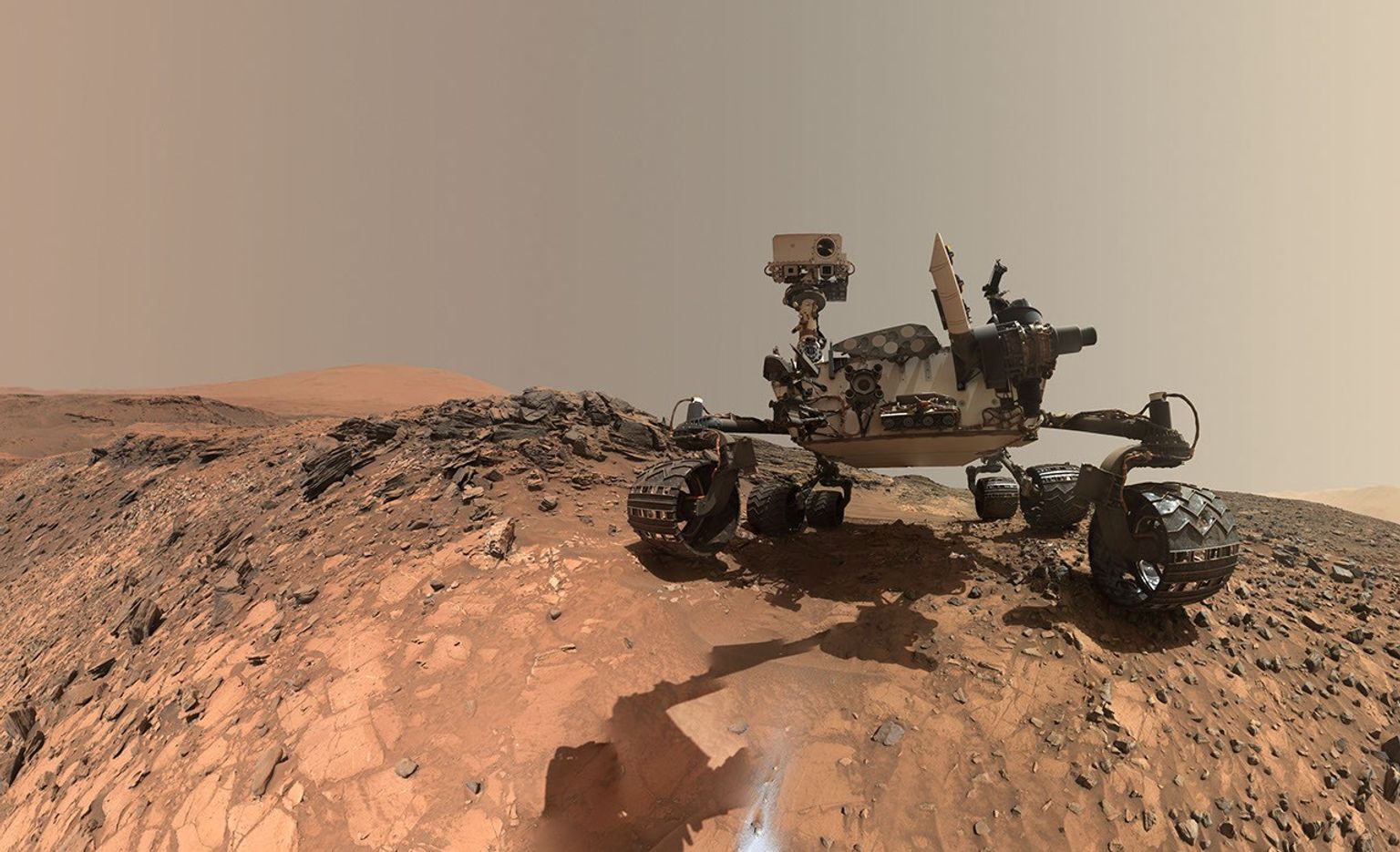
This week Curiosity has been completing its drill campaign at the “Nazca” drill hole. This is an area characterized by bedrock containing disk-shaped (or in a liberal interpretation, potato chip shaped … see linked image) crystal forms. A key objective has been to better characterize these chip-shaped features. Drill samples were delivered to the Sample Analysis for Mars (SAM) instrument. While the SAM analysis was on-going, Monday’s plan included a ChemCam LIBS observation of another crystal-form, “Ahi Veremos,” more Mastcam frames to fill out a mosaic of the Nazca near to mid-field, and environmental observations including a large dust devil survey, and horizon and atmospheric zenith movies.
Wednesday’s plan included two targeted science blocks with a LIBS depth profile of the “Colca” crystal-form and LIBS of the “Bermejo” target. A long distance Remote Micro-Imager (RMI) mosaic of rock clusters below the “Cordillera” ridge was also collected. Mastcam collected more frames of its Nazca mosaic, and more environmental observations were made.
Friday’s planning was for three sols with three targeted science blocks and a drive away from the Nazca drill site. A MAHLI mosaic of the side of the block that hosts the Nazca drill hole was planned. It was also planned to use MAHLI’s nighttime white-light and ultraviolet LED lamps for nighttime imaging of the crystal-forms. Mars’ moon, Phobos, was eclipsing the Sun and imaging of that event was prioritized. ChemCam LIBS observations were planned for each sol including a cluster of crystal forms, a resistant layer in the side of the Nazca block and a dark float rock. A long distance RMI mosaic of dark lenses beneath a planar surface on the “Mishe Mokwa” ridge was to be made. Another round of environmental observation was also planned. Finally, Friday’s drive was to take the rover back towards its southerly trending route where Curiosity would continue its trek of exploration and discovery.
-
Want to read more posts from the Curiosity team?
-
Want to learn more about Curiosity’s science instruments?
Share
Details
Last Updated Nov 11, 2026Related Terms
Explore More
Curiosity Blog, Sols 5056-5062: Charging Back Up!
Article
2 days ago
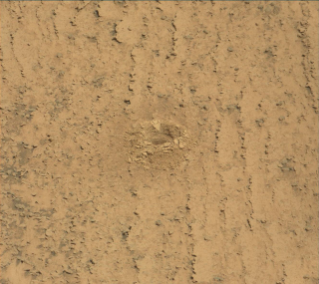
Curiosity Blog, Sols 5050-5055: It’s Nazca, Our 49th Drill Hole
Article
2 days ago
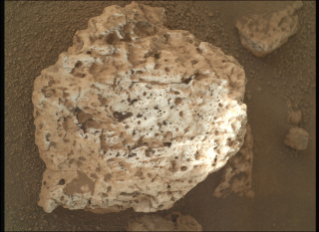
Rubies on Mars?
Article
2 days ago Keep Exploring
Discover More Topics From NASA
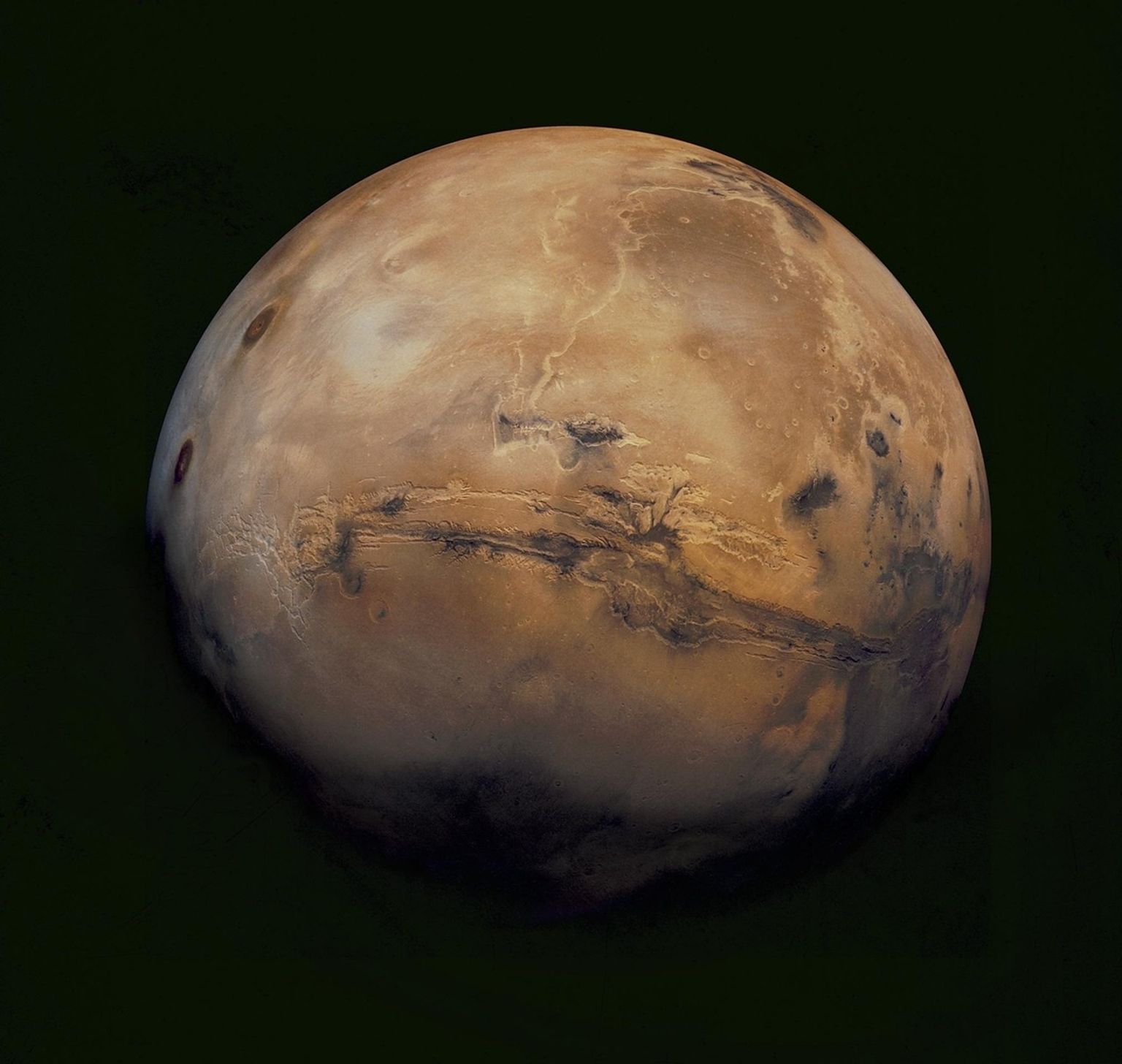
Mars
Mars is the fourth planet from the Sun, and the seventh largest. It’s the only planet we know of inhabited…
All Mars Resources
Explore this collection of Mars images, videos, resources, PDFs, and toolkits. Discover valuable content designed to inform, educate, and inspire,…
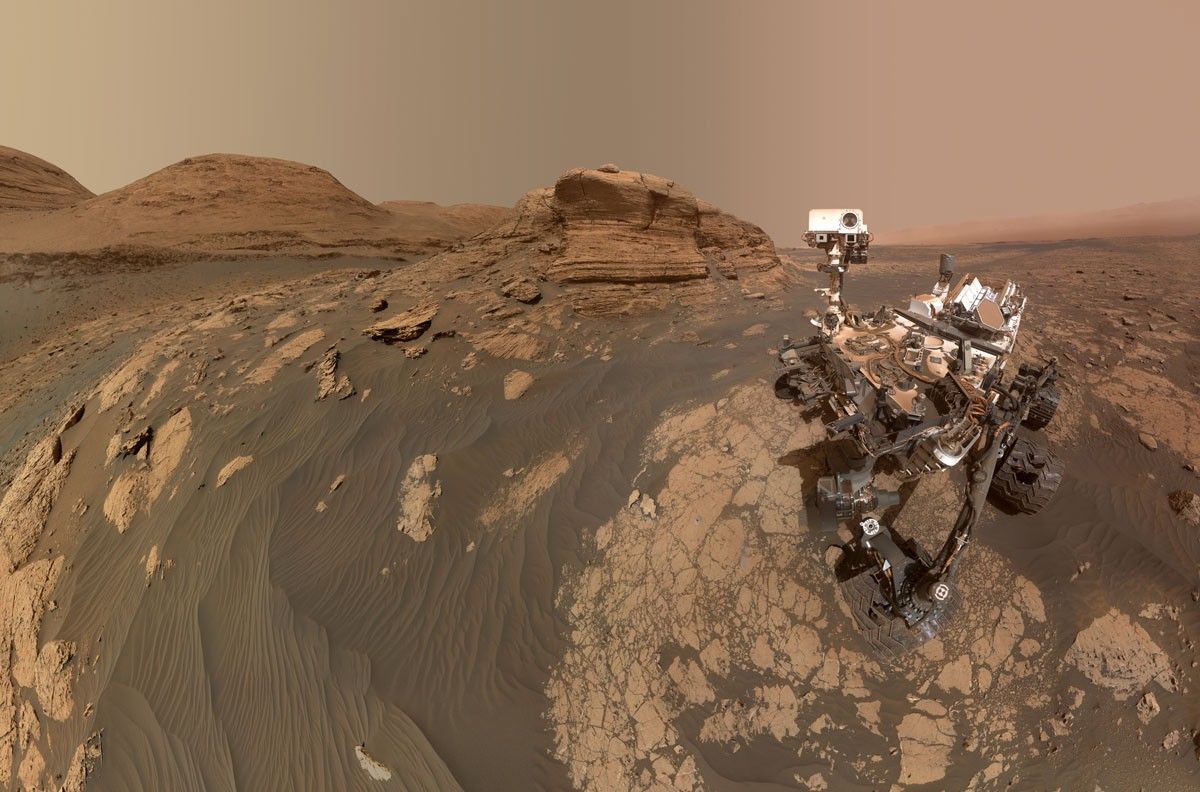
Rover Basics
Each robotic explorer sent to the Red Planet has its own unique capabilities driven by science. Many attributes of a…
Mars Exploration: Science Goals
The key to understanding the past, present or future potential for life on Mars can be found in NASA’s four…